
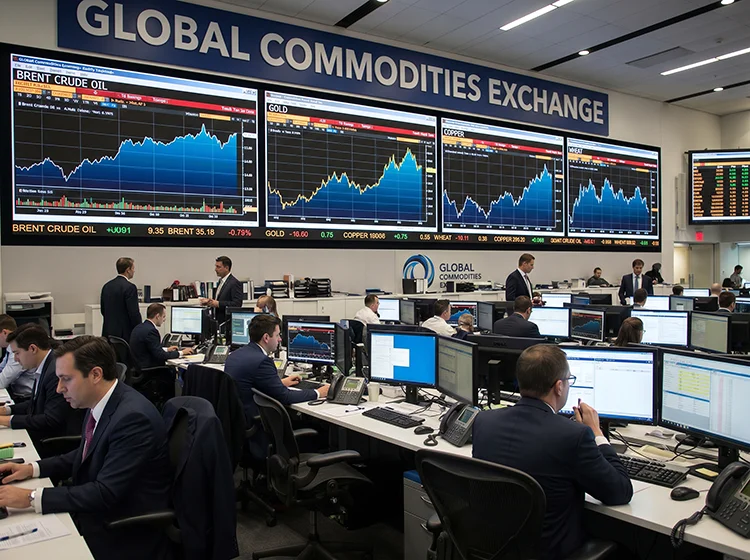
Commodity markets remain a major focus for global traders as energy prices, industrial demand, inflation concerns, and geopolitical developments continue shaping market sentiment. Oil, metals, and agricultural commodities have all experienced notable volatility as investors assess changing economic conditions worldwide.
Crude oil prices remain sensitive to supply decisions from major producing nations, transportation demand, and broader geopolitical risks. Ongoing developments in global energy policy and production levels continue influencing price action across energy markets.
Natural gas markets have also experienced heightened activity due to seasonal demand, weather conditions, and international supply dynamics. Traders remain focused on inventory reports and regional energy consumption trends for potential market direction.
Industrial metals including copper and aluminum continue attracting attention as investors evaluate manufacturing activity and infrastructure spending across major economies. Copper, often viewed as an indicator of economic growth, remains closely tied to industrial demand and construction activity worldwide.
Gold and silver markets continue responding to inflation expectations, interest-rate outlooks, and safe-haven demand. Precious metals remain an important segment of the broader commodities sector, particularly during periods of financial uncertainty.
Agricultural commodities have also experienced fluctuations influenced by weather conditions, global trade activity, and supply-chain developments. Grain markets remain sensitive to export demand and production forecasts across major agricultural regions.
Commodity traders continue analyzing economic data, geopolitical developments, and technical market signals to identify opportunities across multiple sectors. As global markets remain interconnected, commodities are expected to continue playing a significant role in broader financial market activity throughout the quarter.