
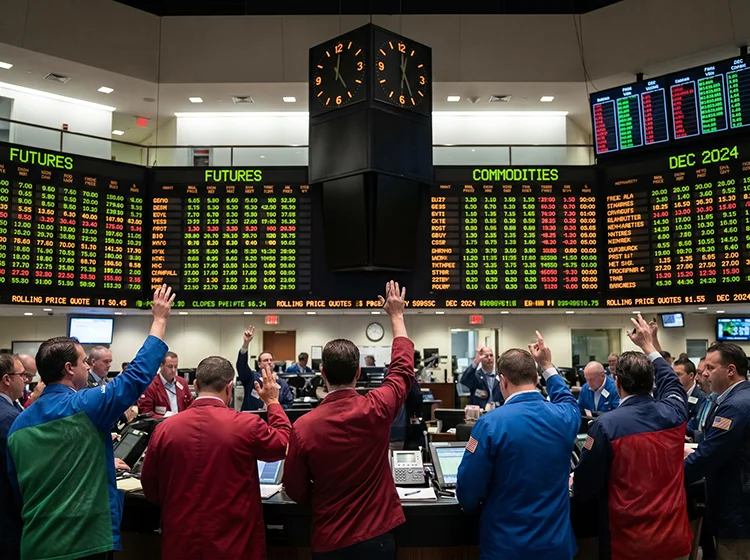
Futures markets have experienced increased trading activity as investors react to recent economic reports, central bank commentary, and changing expectations surrounding global growth and inflation. Equity index futures, commodity futures, and Treasury markets continue reflecting heightened sensitivity to incoming economic data.
Stock index futures linked to major benchmarks such as the S&P 500 and Nasdaq have remained active as traders evaluate corporate earnings, inflation reports, and interest-rate expectations. Volatility often increases following major economic announcements, creating rapid movement across futures markets.
Commodity futures have also seen strong participation as energy prices, precious metals, and agricultural markets respond to supply-chain developments and geopolitical uncertainty. Crude oil, gold, and copper futures continue attracting attention from both institutional and retail traders.
Treasury futures remain closely tied to expectations surrounding central bank policy and bond yields. Inflation data and employment reports continue influencing market sentiment regarding future interest-rate decisions.
Global economic indicators including consumer price inflation, labor-market data, manufacturing activity, and GDP growth remain major catalysts for futures market volatility. Traders often use futures contracts to hedge exposure, manage risk, or speculate on short-term market direction.
Extended trading hours and broad market access continue making futures markets attractive for traders seeking exposure across multiple asset classes. Increased participation across global markets has contributed to elevated liquidity and active price discovery throughout many futures sectors.
As economic uncertainty and policy discussions continue shaping investor sentiment, futures markets are expected to remain highly responsive to macroeconomic developments in the months ahead.